
Rethinking Responsibility: The Impact of AI on Human Decision-Making: An Interview with Lara Kirfel
AI as a Creative Partner
The adoption of AI language models such as ChatGPT is reshaping how we approach creative tasks, problem-solving, and even ethical decision-making. Imagine you’re writing a science blog and hit a creative block. By consulting an AI assistant, you can quickly receive a diverse set of suggestions—some that may not have occurred to you otherwise. These AI-generated ideas often come from outside your usual perspective, helping you see your topic in new ways. In this sense, AI doesn’t just assist with generating ideas; it broadens the very scope of what you consider possible.
Expanding the Idea Space
Traditionally, humans have excelled at creativity and open-ended problem-solving. Now, AI systems are matching or exceeding human abilities in many domains, including decision-making and learning. As large language models become more common in everyday tools, they increasingly influence how we reason and make choices. For example, brainstorming with ChatGPT can subtly guide your thinking toward more innovative or unconventional directions. The AI is not just helping you find answers—it is expanding the boundaries of your thought process.
The Role of Alternatives in Moral Judgments
Moral judgments often depend on what alternatives we believe were available in a situation. When assessing responsibility, we don’t just consider what someone did, but also what else they could have done. The more and better alternatives we see, the more responsible we tend to hold someone. If it seems they had no real options, we’re usually more forgiving. For instance, if a friend misses an appointment because their car broke down and they had no other way to get there, we’re sympathetic. But if they could have taken a taxi or used public transport, our judgment is less lenient. The perceived feasibility of alternatives shapes our moral evaluations.
AI’s Influence on Possibility Thinking
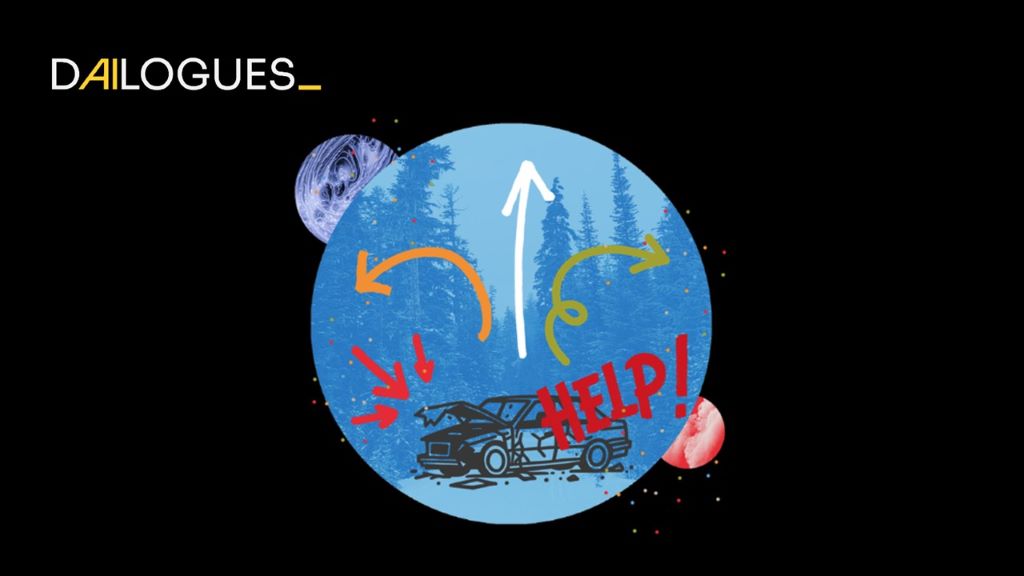
People typically rely on a limited set of default options when considering possibilities. Our minds don’t generate every alternative; we focus on what seems practical. But AI language models, trained on vast datasets, can suggest a much broader array of options. For example, in a scenario where a group is lost in the wilderness, ChatGPT might propose assessing supplies, building a shelter, signaling for help, and more—often with greater detail and structure than human responses. This richer set of possibilities can shift how we think about what could have been done in a given situation.
Changing How We Assign Blame
As we increasingly use AI for brainstorming, the range of alternatives we consider grows. This can affect how we judge others’ actions. If AI-generated suggestions highlight better options, we may judge people more harshly for not choosing them. Research shows that when people are presented with AI-generated alternatives, they tend to assign more blame than if they rely solely on their own ideas. This effect appears in both expert and everyday situations.
Looking Ahead
Integrating AI into our reasoning processes expands the possibilities we consider, which in turn influences how we assign responsibility and make decisions. As AI-powered tools become more prevalent in brainstorming and problem-solving, understanding their impact on our thinking and judgments will be increasingly important for both individuals and society.
You can find the complete interview on dailogues.ai